Capability & evaluation
How should advanced models be evaluated when benchmark performance no longer predicts reliability in open-ended, agentic, or high-consequence environments?
Artificial Intelligence · Quantum · Robotics · Governance
Paris AI Organization is an independent research organization advancing frontier research across artificial intelligence, quantum technologies, robotics, and AI governance—building the knowledge and frameworks needed for the next generation of intelligent systems.
Research mandate
Paris AI Organization studies the technical and institutional systems shaping the future of intelligence: how models reason and fail, how new compute architectures expand what is possible, how autonomous machines act in the physical world, and how governance can remain effective as capability accelerates.
Our objective is to anticipate the next generation of intelligent systems and develop research, frameworks, and evidence that remain useful as capability, autonomy, and adoption accelerate.
Research domains
We work across disciplines because the next generation of intelligent systems will be shaped by the interaction of algorithms, compute, physical autonomy, and institutional control.

Foundation models, agentic systems, evaluation, interpretability, reliability, and the architectures required for increasingly capable machine intelligence.

Quantum information, post-classical computing, cryptographic transition, advanced hardware, and the long-horizon convergence of AI and new compute paradigms.
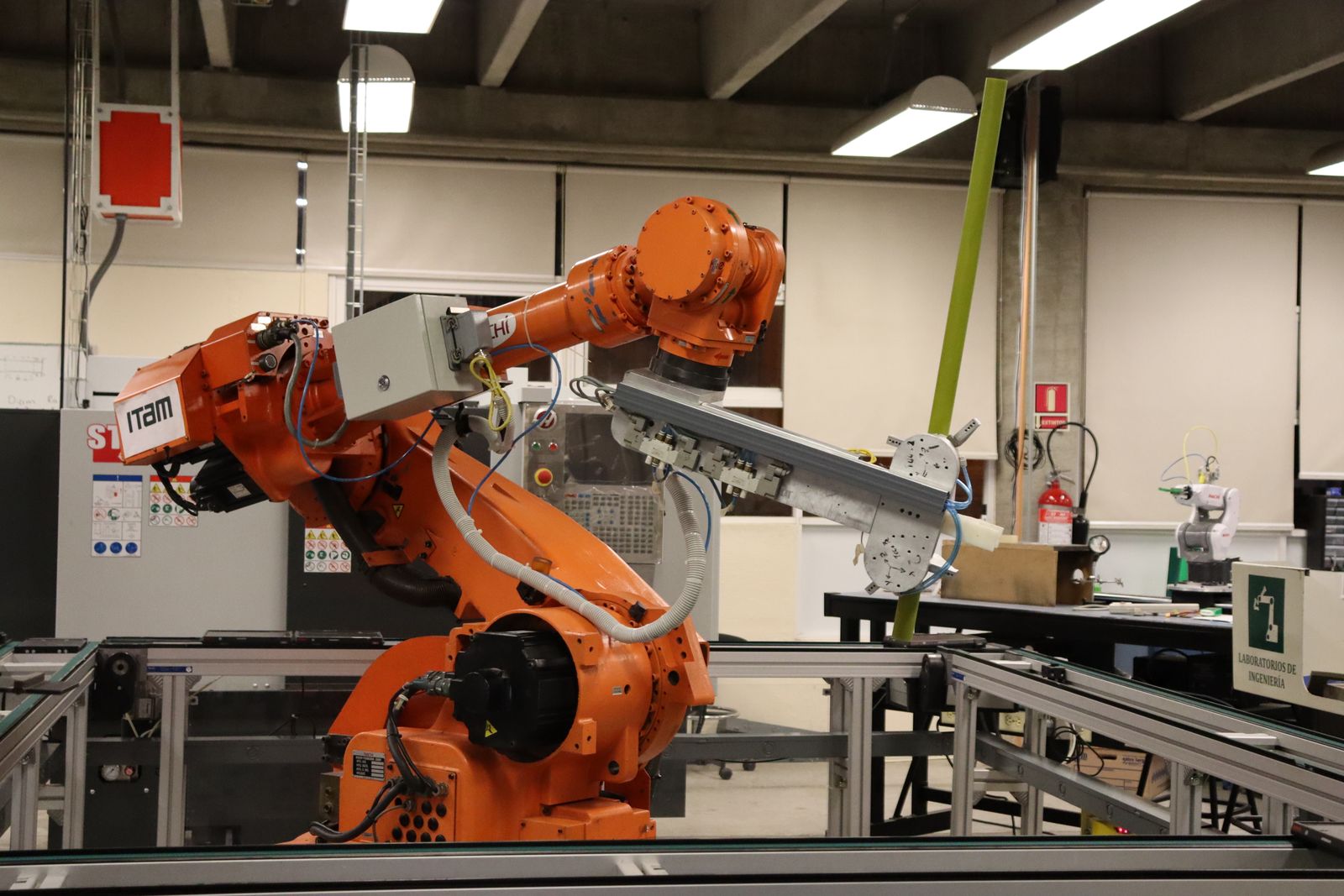
Embodied intelligence, autonomous systems, human–machine collaboration, sensing, control, and safety when software decisions become physical actions.

Accountability, delegated authority, model and agent assurance, policy, standards, evidence, and governance systems designed for advanced AI.
Research agenda
We prioritize research where technical progress changes the operating assumptions of institutions, infrastructure, and society.
How should advanced models be evaluated when benchmark performance no longer predicts reliability in open-ended, agentic, or high-consequence environments?
How will specialized silicon, sovereign infrastructure, energy constraints, quantum systems, and edge inference reshape the economics and geography of AI?
What changes when intelligent systems perceive, decide, coordinate, and act through robots, vehicles, devices, and distributed physical infrastructure?
How should identity, authorization, auditability, oversight, and intervention work when AI systems act continuously rather than produce isolated outputs?

A European vantage point
Paris places advanced technology inside a wider institutional context: European AI regulation, frontier research, deep technology, public policy, design, industry, and international collaboration. Paris AI Organization uses that vantage point to pursue a global research agenda focused on the technologies and governance systems shaping the decades ahead.
About Paris AI Organization →Selected research

A practical research note distinguishing immediate post-quantum cryptographic migration from the longer-horizon question of quantum and AI compute convergence.

Why evidence, policy evaluation, monitoring, and control validation must become continuous as AI systems change faster than traditional review cycles.

A research framework for moving from static benchmark scores toward contextual reliability, failure discovery, operational stress, and evidence that survives deployment.

Why inference location, data locality, hardware control, and disconnected operation are becoming governance decisions rather than only architecture choices.

A control model for deciding when generated data is fit for training, testing, simulation, analytics, and high-stakes evaluation.

A governance architecture for identity, bounded authority, escalation, and accountability when autonomous software acts on behalf of people and institutions.
Research standard
We begin with durable research questions rather than product categories or technology narratives.
Governance and policy are examined alongside architecture, infrastructure, model behavior, evidence, and failure modes.
Research is framed around how advanced systems will be evaluated, governed, deployed, and trusted in the real world.
Insights
A framework for distinguishing human, observed, simulated, and model-generated evidence as AI systems increasingly participate in their own evaluation and assurance processes.
↗Why the physical and jurisdictional location of AI inference is becoming a policy variable for data control, resilience, assurance, and institutional accountability.
↗An institutional framework for limiting, renewing, and evidencing machine authority as autonomous AI systems gain access to consequential tools and workflows.
↗Paris AI™ Organization
Paris AI Organization welcomes research collaborations with universities, laboratories, public institutions, technology organizations, and researchers working on consequential questions shaping the future of advanced intelligence.
Research collaboration ↗