Quantum Systems
Quantum information, algorithms, sensing, cryptographic transition, and the longer-horizon convergence of AI with post-classical computing.
Frontier Technology
Paris AI Organization examines the technologies that may change how intelligence is computed, embodied, secured, distributed, and governed—from advanced hardware and quantum systems to autonomous machines.
Technology horizon
Frontier technology research requires separating scientific possibility from deployable reality. We examine maturity, infrastructure dependency, security assumptions, energy and compute economics, control requirements, and the evidence needed to move from demonstration toward dependable use.
Research areas
We focus on technologies whose progress could change the architecture, economics, security, or governance of advanced intelligence.
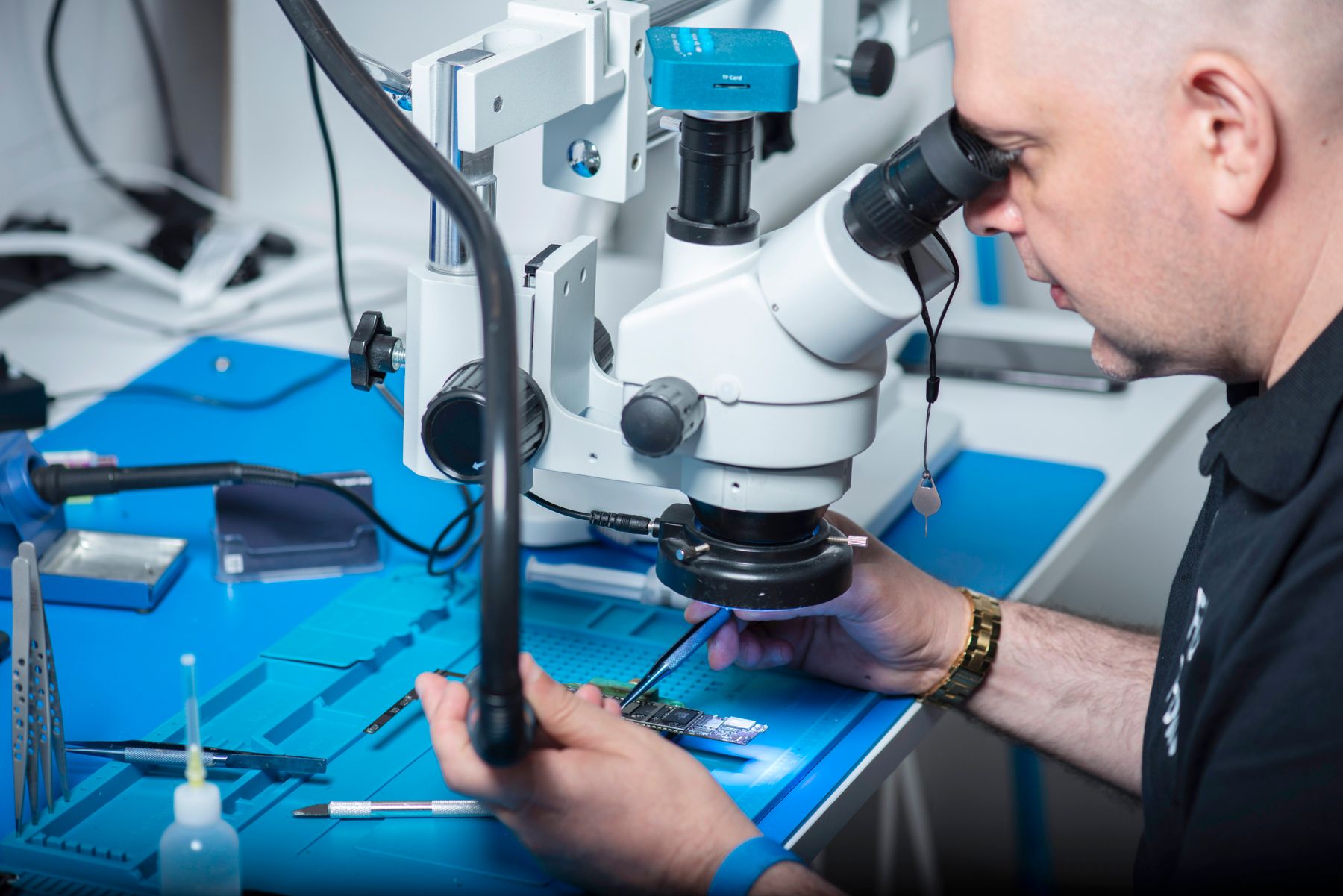
Quantum information, algorithms, sensing, cryptographic transition, and the longer-horizon convergence of AI with post-classical computing.
Accelerators, memory systems, photonics, specialized compute, energy constraints, and hardware architectures for future AI workloads.
Software systems that plan, coordinate tools, maintain state, execute workflows, and create new requirements for identity and control.
Embodied intelligence, perception, manipulation, sensing, control, human–machine collaboration, and safety in the physical world.
Inference near controlled data, facilities, devices, and regulated environments where architecture becomes part of the governance model.
Simulation, generated data, digital twins, and machine-created worlds used for training, evaluation, assurance, and autonomous-system testing.
Embodied intelligence
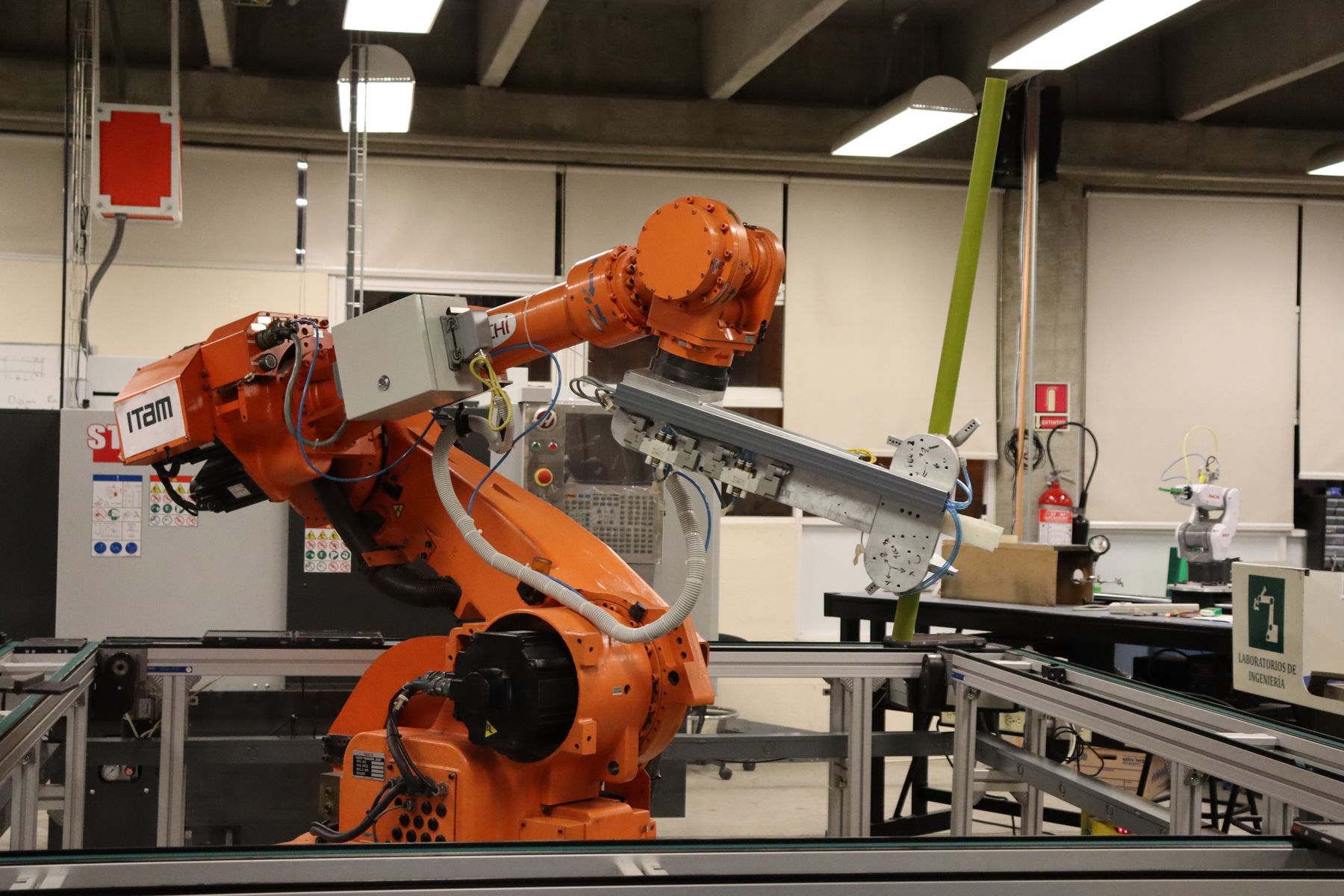
Robotics moves AI into environments where latency, sensing, uncertainty, mechanical constraints, human proximity, and safety become part of intelligence itself. We study autonomy as a combined problem of perception, reasoning, control, infrastructure, and governance.
Explore related research →Research horizon
Capabilities moving rapidly from experimental workflows into operational environments.
Infrastructure and machines that expand where and how advanced intelligence operates.
Longer-term research into computing paradigms that may reshape optimization, simulation, security, and machine intelligence.